
10 Tips That Can Help You Sleep at Night
Sleep is an instance where a person’s mental and physical activities are reduced, hereby, causing one’s consciousness to be changed as all sensory activities are restrained to an extent.
But, there are instances where unrest and the inability to sleep have disrupted being able to sleep. These instances are Sleeping Disorders known as -INSOMNIA- which could leave the person in a state of unrest and easily irritated and/or annoyed.
It’s not always clear what causes insomnia, but it’s often associated with: Stress and anxiety which are common causes of not being able to sleep at night. Concerns about work, school, health, finances or family can keep your mind active at night, making it difficult to sleep. Stressful life events or trauma — such as the death or illness of a loved one, divorce, or a job loss — also may lead to Insomnia.

1 Have a quality time to sleep

When you sleep, your body undergoes a series of changes that enable the rest that is vital to your overall health. The recommended hours for a healthy adult are at least seven hours. Most adult needs seven or more hours of good quality sleep on a regular schedule each night.
Go to bed and get up at the same time every day, including weekends. Being consistent reinforces your body’s sleep-wake cycle.
Once your body adjusts to this schedule, it’ll be easier to fall asleep and wake up around the same time every day.
2 Create a restful environment
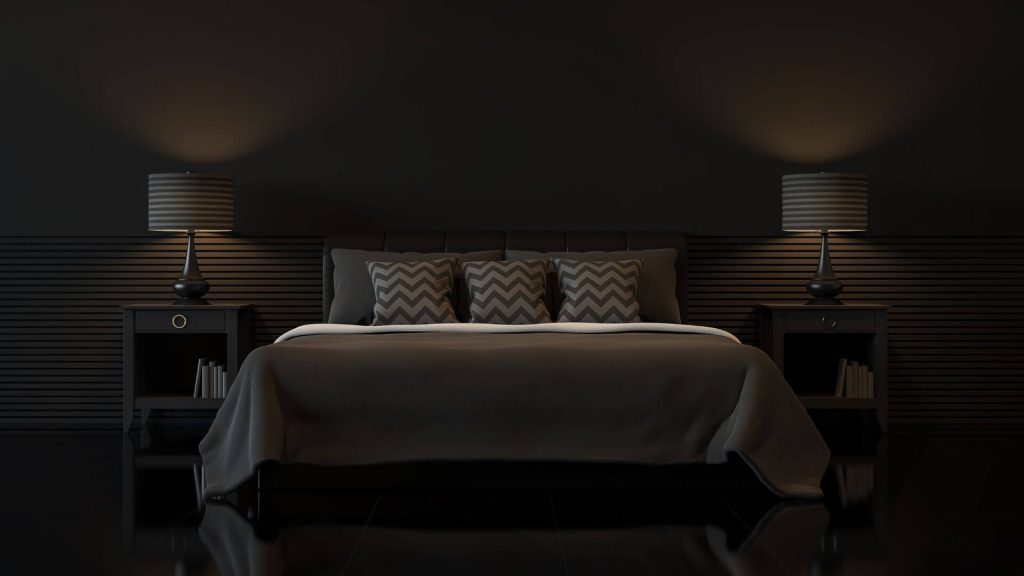
Keep your room dark, cool, and quiet. At night, darkness promotes feelings of sleepiness. Exposure to light in the evenings might make it more challenging to fall asleep. Make sure your bed provides the correct support, comfort and space to ensure you wake up and move about less.
3 Food for sleeping

Sleep affects every aspect of health. Fortunately, some foods and drinks contain compounds that help control parts of the sleep cycle, such as milk, chicken, turkey, pumpkin seeds, Almonds, Chamomile tea, etc. They contain the chemicals Tryptophan and Serotonin, which are vital for the production of Melatonin, the hormone that promotes sleep.
4 Know when to eat
The best time to eat dinner is 3 hours before bedtime, allowing the stomach to properly digest and focus on preparing for sleep when bedtime rolls around the corner. Eating small amounts of foods like complex carbs, fruits, veggies, or a small amount of protein will satiate hunger pains and help you fall asleep faster. Eating immediately before going to sleep may cause digestive issues, such as Acid Reflux.
5 Avoid looking at the clock
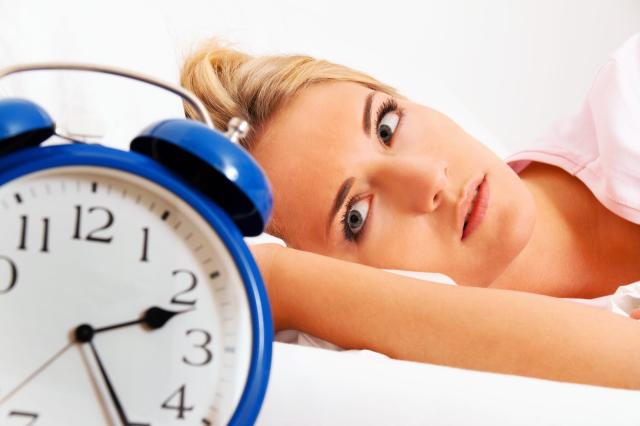
It’s normal to wake up in the middle of the night. However, waking on a regular basis without falling back asleep may cause your body to develop a routine. As a result, you might find yourself waking up in the middle of the night every night.
We recommend that you remove the clock from your bedroom. If you need to wake to an alarm, cover the clock or turn it around so as to avoid looking at the time. It works! People having sleeping disorders find out that they go to sleep easier and wake less during the night when they stop looking at the clock.
6 Avoid naps during the day

Long daytime naps can interfere with nighttime sleep. Limit naps to no more than one hour and avoid napping late in the day as your body already feels too relaxed to sleep at night. Most suitable napping time is any time before 1:00 pm.
7 Listen to relaxing music
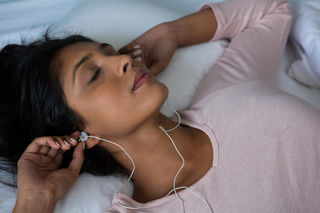
Music such as acoustics, Contemporary Classical songs, Ambient sounds, Zen Spas and Spiritual Guitar Chillout songs, even Kiddies’ Lullabies are perfect and suitable to lull one to sleep as they sooth and calm heads and minds thereby enabling the secretion of Melatonin which also help boost our sleeping habits.
8 Exercise during the day

Physical activity is great for sleep, as well as for your general health. It’s known that moderate aerobic exercise boosts the amount of nourishing slow wave (deep) sleep you get. Not only does evening exercise affect sleep, it seemed to help people fall asleep faster and spend more time in deep sleep.
However, it’s important to maintain a moderate-intensity exercise routine and not overdo it.
9 Turn off all electronics
Tempting as it might be to use your computer or phone before bed, using electronic devices late at night is terrible for sleep. Avoid the use of light-emitting screens just before bedtime as this kind of device emits a blue light, which suppresses the sleep hormone.
Watching TV, playing video games, using a cell phone, and social networking can make it significantly harder for you to fall asleep.
10 Focus on staying awake
One of the first things sleep physicians tell insomnia patients is to get out of bed if you can’t sleep. The worst thing you can do when you can’t fall asleep is lie in bed and attempt to force yourself to sleep.
It’s believed that if you go to bed and try to force yourself to fall asleep, your chances of succeeding drop dramatically.
Instead, you can try paradoxical intention. This technique involves trying to stay awake instead of forcing yourself to sleep. It’s based on the idea that the stress and anxiety produced by forcing yourself to fall asleep can prevent you from relaxing and snoozing.

Conclusion:
One of the best and simplest ways to be healthy is to have a good night sleep. Getting enough sleep isn’t only about total hours of sleep. It’s also important to get good-quality sleep on a regular schedule so you feel rested when you wake up.
Therefore, create a sleeping schedule, stick to it. Eat well and eat right, find time to relax, keep your mind at ease, exercise daily and you will be getting a good night sleep in no time.